Fame changes everything. Or so I hypothesize. After all, I don’t have any actual firsthand experience upon which to base this assumption. But obscurity? Now there’s a topic with which I have practical knowledge.
In spite of its woeful reputation, I believe obscurity is a valuable and rewarding state of existence. Consider all those artists whose first album was their best. Or first book. Or first movie. The reason, of course, is that debut works are all created in obscurity — a feat that can rarely be replicated once fame arrives.
Back when I designed electronic music products, I most enjoyed the development phase. That time between the inception of an idea and the actual release of the product was filled with unbridled creativity and boundless enthusiasm. During this cycle, the product was truly mine. But at the moment of its release, it no longer belonged to me — it belonged to the world. The product became a slave to the whims and demands of the paying public, and I became its servant.
Naturally, the dismay I felt each time I “lost” a product was counter to the emotions of accountants, investors, and most everyone else in the company — all of whom were delighted to finally see my lengthy toils in seclusion turn to cash. And that’s the problem. Because as wonderful as obscurity can be, it’s not a currency the bank can convert. Which is an issue if you’re the type of human who benefits from the consumption of food. Compromise inevitably becomes necessary. And compromise is the enemy of pure creation.
In the early 1970’s, San Francisco’s legendarily anonymous avant-garde “rock” group, The Residents, formulated the “Theory of Obscurity.” It postulates that pure, unadulterated art can be created only in the absence of the expectations and influences of the outside world. In other words, obscurity is the only path to true art.
But even The Residents, while not achieving Adele-like levels of fame, have managed to carve out a 45+ year career in the fickle, fad-happy, micro-niche world of the avant-garde — a task, I would argue, that’s far more difficult than achieving superstar status in the pop world. Ultimately, because of their success, they could no longer uphold the standards of their own theory.
Fortunately, I’ve managed to maintain abundant levels of genuine obscurity throughout my life — and in doing so, I’ve discovered a flaw in my personal interpretation of the Theory of Obscurity. Originally, I assumed it meant that if one remained unknown, then one remained obscure. Obviously, the outside world expects nothing from an artist it knows nothing about. Therefore, I surmised, it cannot force its influence upon the artist. Obscurity = Invisibility. Or so I thought.
But over time I realized that invisibility does nothing to prevent an artist from placing expectations upon oneself. It does not prevent them from exploring the world and absorbing its influence. In reality, Obscurity > Invisibility.

All those photography monographs that I buy and analyze; all that music I dissect; all those articles I read — all have a cumulative and colouring effect on my own photos, music, and essays. All are indicative that the outside world has, indeed, encroached into my inner world and is exerting its influence — in spite of my invisibility.
So, every now and then, I’ll simply flip a switch and shut down a block or two of external sensory receptors. I’ve recently unsubscribed from every blog on the internet; abstained from buying any monographs; and ceased searching for photography that interests me. I’ve even stopped actively listening to music of any kind (though one can’t avoid absorbing it osmotically). I don’t want current fashion or even classical techniques to influence what I photograph, think, or compose. I want to give whatever is within a chance to escape without the weight of my own expectation.
Most believe that such willful ignorance is a tool of the closed-minded — a way to sequester oneself from the need to admit culpability or own-up to being wrong. Curiously, I view it as just the opposite — a way to open the mind and free oneself from the tyranny of predictability and convention.
Granted, the wholesale rejection of knowledge is not something you want to adopt for your entire life. And it’s certainly not something that coincides with my natural hunger for greater understanding. My take on willful ignorance is that it’s merely the second half of a symbiotic whole — a 2-step procedure, like breathing. The consumption of knowledge is analogous to breathing in; the rejection of knowledge is like breathing out. One must naturally follow the other.
So obscurity is not the catalyst that keeps the outside world at bay. Discipline is. Obscurity is not a cause; it’s an effect. And it’s a precious thing. Because any work I create in a state of obscurity will forever define me in my fame — should such an unfortunate fate one day befall me.
[bandcamp width=100% height=120 track=3427633204 size=large bgcol=ffffff linkcol=336699 tracklist=false artwork=small]
©2017 grEGORy simpson
ABOUT THE PHOTOS & MUSIC:
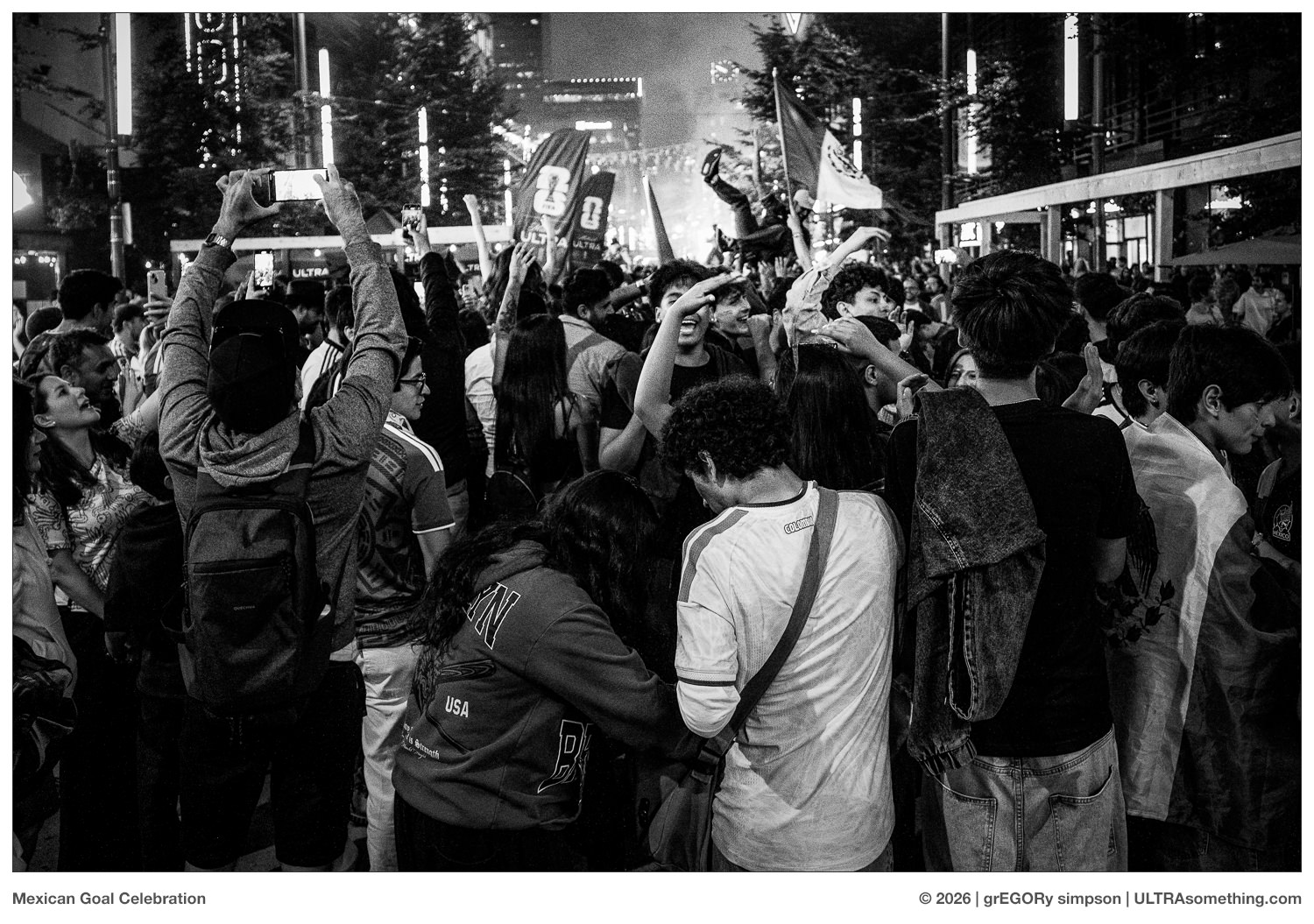
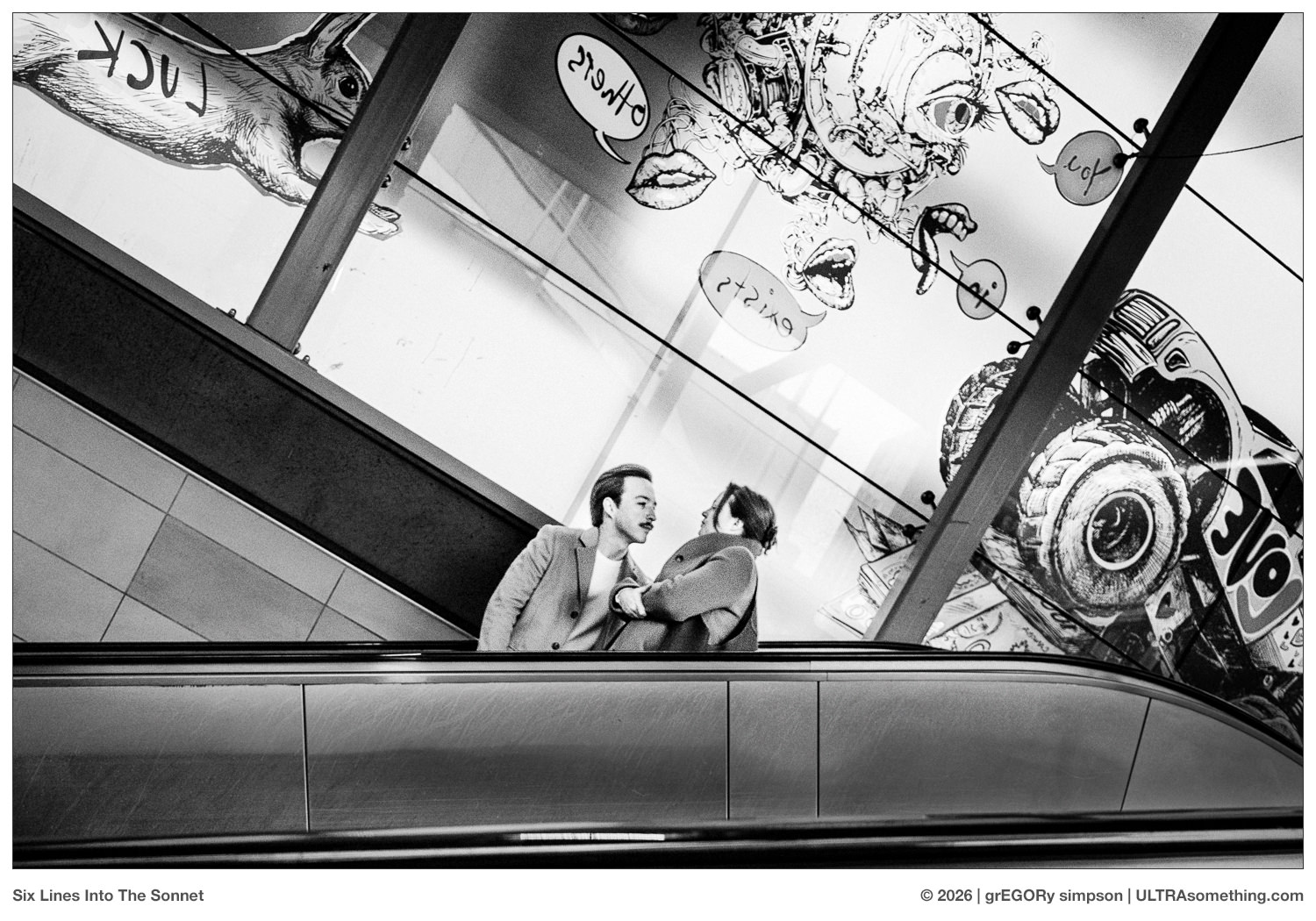
“The Fork” was photographed with a Ricoh GR. “Morning” was shot with a Leica M6TTL and a 35mm Summicron lens (v4) on Tri-X at ISO 400, and developed in HC-110 (H). Whether anyone thinks it’s a lousy photo or not is immaterial — that’s because it’s not a photo at all; it’s a metaphor.
“Even Mater Suspiriorum Was Once An Ingénue” is this article’s musical accompaniment. Is the title perhaps a bit too long? Probably. Do you have to be familiar with the films of Dario Argento in order for it (and some of the sound design) to make sense? Probably. Will this prevent you from enjoying the music? Probably not — but there are plenty of other things about this song that might. This song is, in many ways, truly indicative of what happens when outside influence is allowed to seep into our subconscious — even if that influence is, itself, something the average person would consider to be obscure.
REMINDER: If you find these photos enjoyable or the articles beneficial, please consider making a DONATION to this site’s continuing evolution. As you’ve likely realized, ULTRAsomething is not an aggregator site — serious time and effort go into developing the original content contained within these virtual walls.