-

More Poe than Van Gogh
The classification of photography as an “art” has done it a great disservice. Art demands that the viewer appreciate the technique behind it. It calls attention to its technical merits. A good photograph should never do this. Rather, it should just be. In 1951, Robert Frank told Life Magazine “When people look at my pictures…
-

The Soft Grey Line
When is a photograph no longer a photograph? At what point is an image so “pimped out” that it leaves the realm of photography, and enters the province of illustration? If you clone a crumpled beer can from of a landscape shot, is it still a photograph? If you merge multiple shots into a single…
-

How To Ignore “How-To” Guides
The world is full of many things to see — big, small, chaotic, and quiet. Every person who looks out at this world sees it, feels it, and experiences it differently. The problem, for each of us, is to figure out how to craft a photograph that expresses exactly what it is that we see,…
-

Clutterbucking
Cluttered houses. Cluttered photos. Cluttered minds. ULTRAsomething photographer, grEGORy simpson reveals, in one tidy little article, how to deal with all three.
-
The Most Dangerous Game
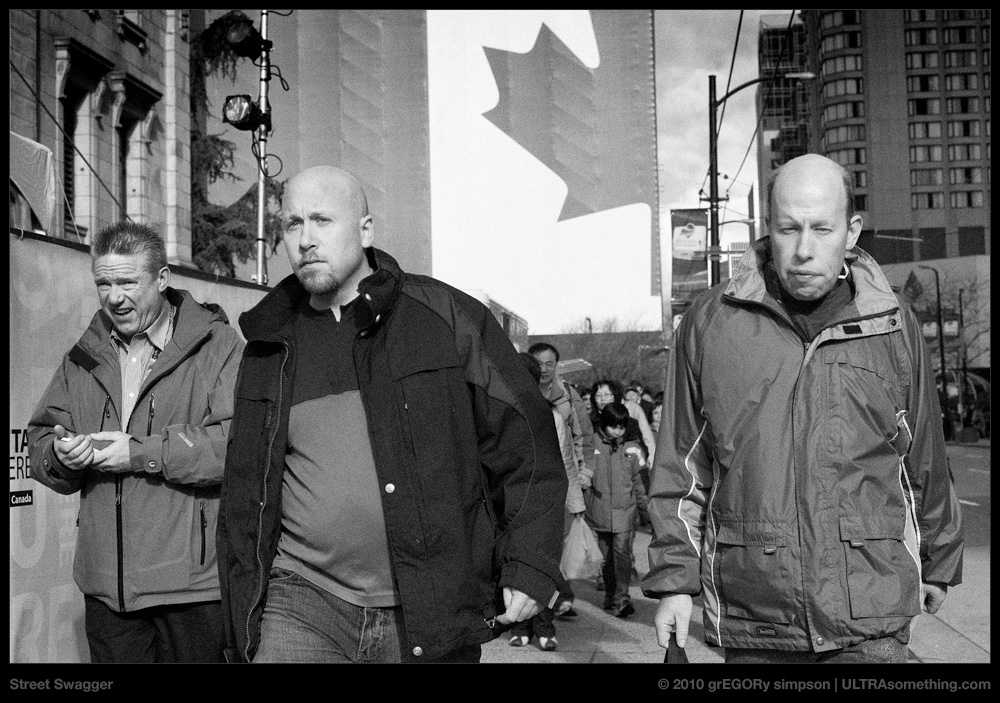
In 1924, Richard Connell wrote “The Hounds of Zaroff,” better known as “The Most Dangerous Game.” It told the story of General Zaroff, who had become so bored with hunting traditional prey that he turned to hunting the most cunning and clever prey of all — man. In 1948, Eugen Herrigel published “Zen in the…
-

The Contextual Lens
Every year, a new generation of neophyte photographers become victims of nomenclature — mistakenly assuming that wide angle lenses are an ideal choice for photographing wide, scenic vistas. As an obsessive neologist, I examine how wide angle lenses are actually used, and wrestle with what designers should have named them.
-

That Golden Glow
On the afternoon of February 28th, in the final event of the Vancouver 2010 Olympics, the Canadian men’s hockey team beat the USA in a nail-biting, overtime gold medal game. If this country was a living organism, hockey would be its heart. It’s a home grown sport that touches everyone who lives here. Canada is…
-

“Winter” Olympics
With precipitation levels low and the temperatures high, Vancouver’s cherry trees welcomed February with a display of delicate pink blossoms that, in years past, remained hidden until April. In marked contrast to most of the Northern Hemisphere, winter never arrived here, and spring has already sprung. It’s a glorious time to be in Vancouver, save…
-
This is Going to be Fun
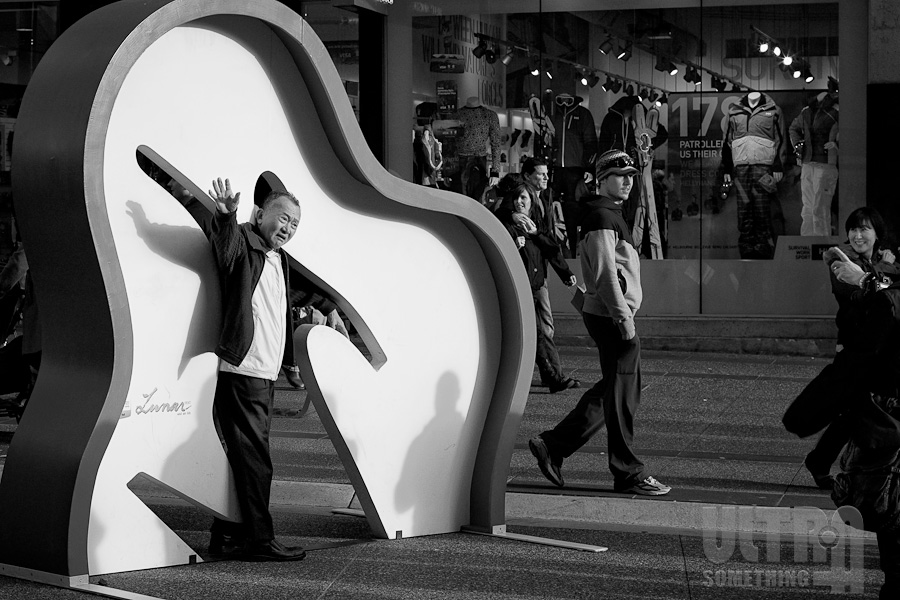
Its inevitability has, for a decade now, been forced into my consciousness and my subconsciousness. It’s become a part of my Id, my Ego, and my Super-Ego. Its costs, benefits, politics and promise have permeated local news outlets since I first moved to Vancouver at the dawn of the 21st century. “It” is the XXI…
-
DagNAMMit
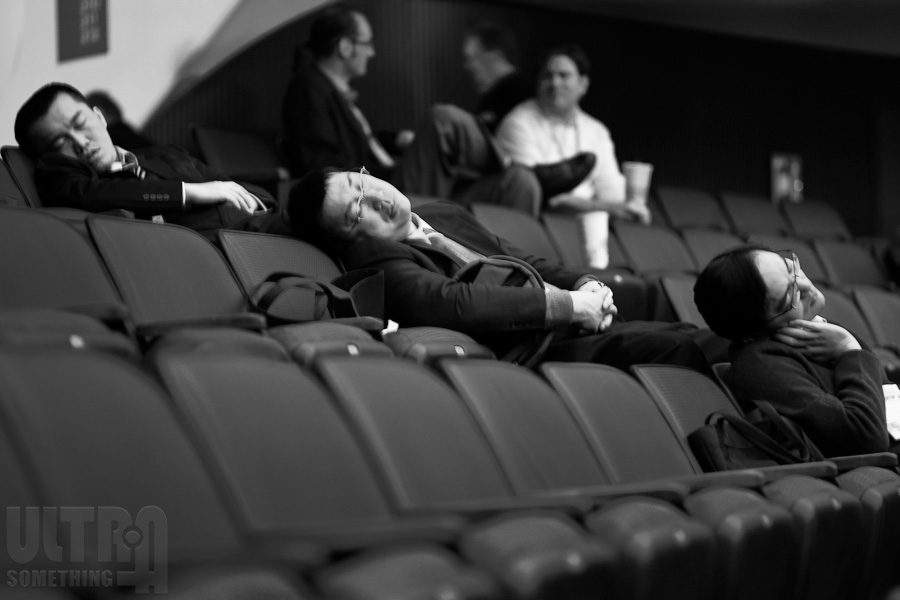
This is an article about photographing the culture, chaos and cacophony that surrounds the NAMM music products show in Anaheim California. It includes several photos from the show, plus a link to a multimedia presentation about NAMM. The article also discusses the current state of photojournalism, and the difficulties facing those of us in this…
-
The Megapixel Thief (Part 2)
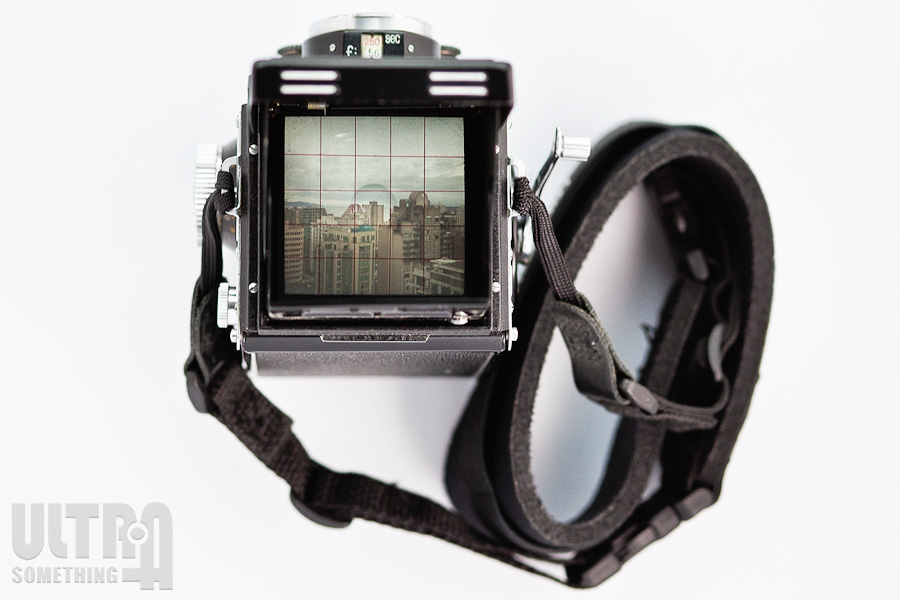
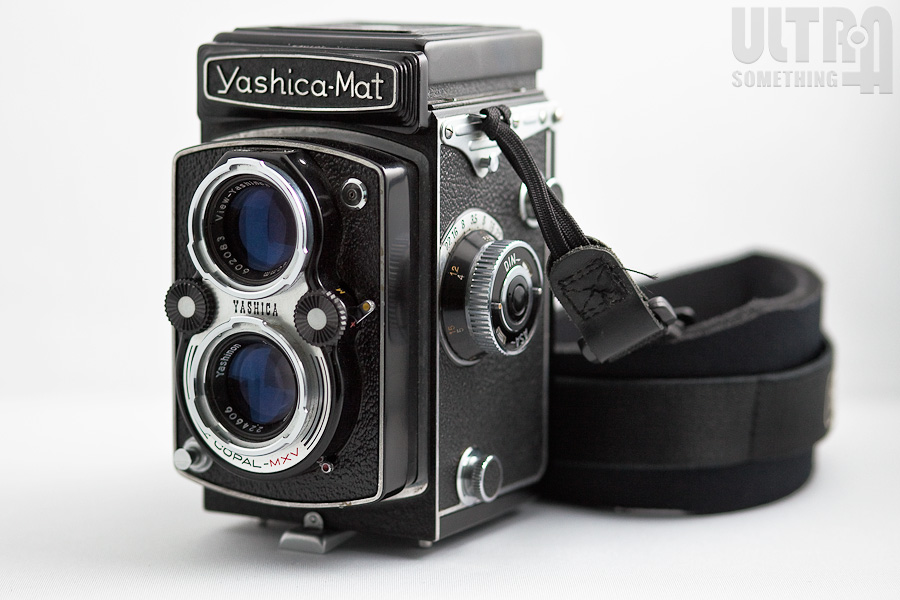
Out there on the mean streets of photography, it’s a digital world. So what possible good can come from shooting with a 50 year old Yashica-Mat Twin Lens Reflex medium format camera? How about 50 megapixel scans, square negatives, and a classic “analog” look? Dive into this article to discover all the techniques, benefits and…
-
The Megapixel Thief (Part 1)
Common wisdom tells us that “the bigger the sensor, the better the image.” Micro Four Thirds (MFT) cameras, though 3 times the price, have a sensor 9 times larger than a point-and-shoot. Great value! The sensor on a full-frame “35 mm” digital camera is 4 times larger than MFT and, coincidentally, costs approximately 4 times…
