I’m not sure exactly when it first began. Nor do I know why the pattern continues. But for several years running, the winter solstice has signalled the arrival of ULTRAsomething’s “camera review season.”
Not that I’m complaining. Well… OK… I’m complaining a little.
Obviously, I rather enjoy having the opportunity to review camera products. But here in Vancouver, there are two absolute certainties for the weeks surrounding the winter solstice. One is that it will rain — biblically and mercilessly. Two is that it will be dark — a slow shutter; wide aperture; ISO 6400 caliber of darkness. Neither certainty offers ideal performance testing possibilities, yet these are precisely the conditions under which most demo cameras arrive at ULTRAsomething HQ.
So I wasn’t the least bit surprised to receive a mid-December email offering a week’s loan of the new Leica SL. I glanced at the weather forecast: extensive quantities of rainfall; tree-toppling wind storms; finger-numbing cold. I took a quick glance out the window. It was 3:00pm and dark as midnight.
Yessiree. Camera season had arrived, and so had the Leica SL.

Synopsis
Because of seasonal time and weather constraints, this is far from a full review of the Leica SL. It’s really just a few “impressions” combined with some field experiments using the SL as an alternative body for M-mount lenses.
So let me jump right to the conclusion: The Leica SL exudes quality. The handling is (surprisingly) exemplary and the image quality is stellar. From the built-in GPS to the dual SD-card slots; from the 4k Log gamma video capabilities to the state of the art 4.4MP electronic viewfinder — this is a professionally-spec’d camera, through and through. It has a seductive appeal that belies its utilitarian appearance in brochures. It’s feature rich, while being user-friendly. In baseball parlance, it’s a home run. In basketball parlance, it’s a slam dunk.
And yet, for all those things it is, there’s one thing it isn’t — a camera that I need.

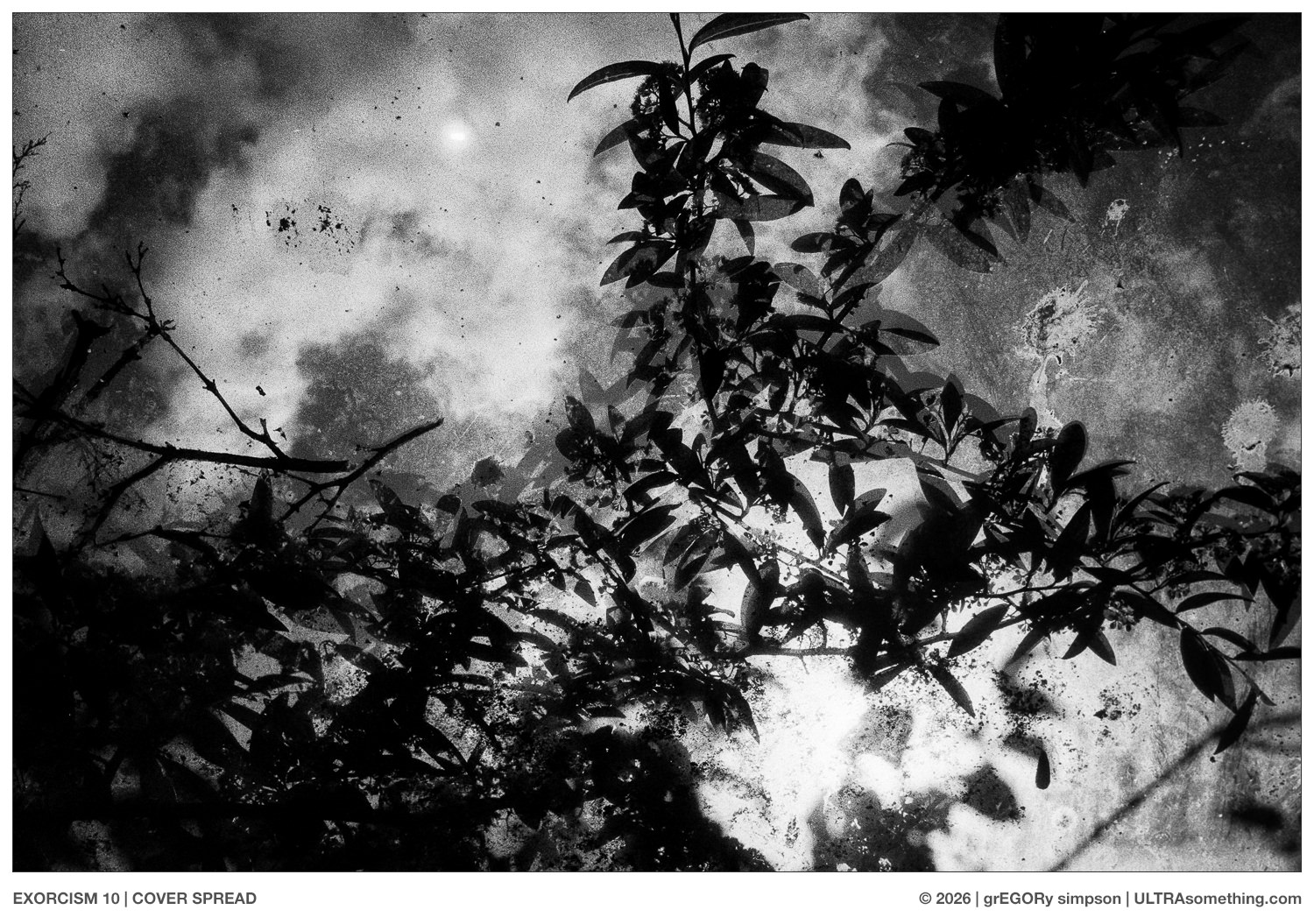
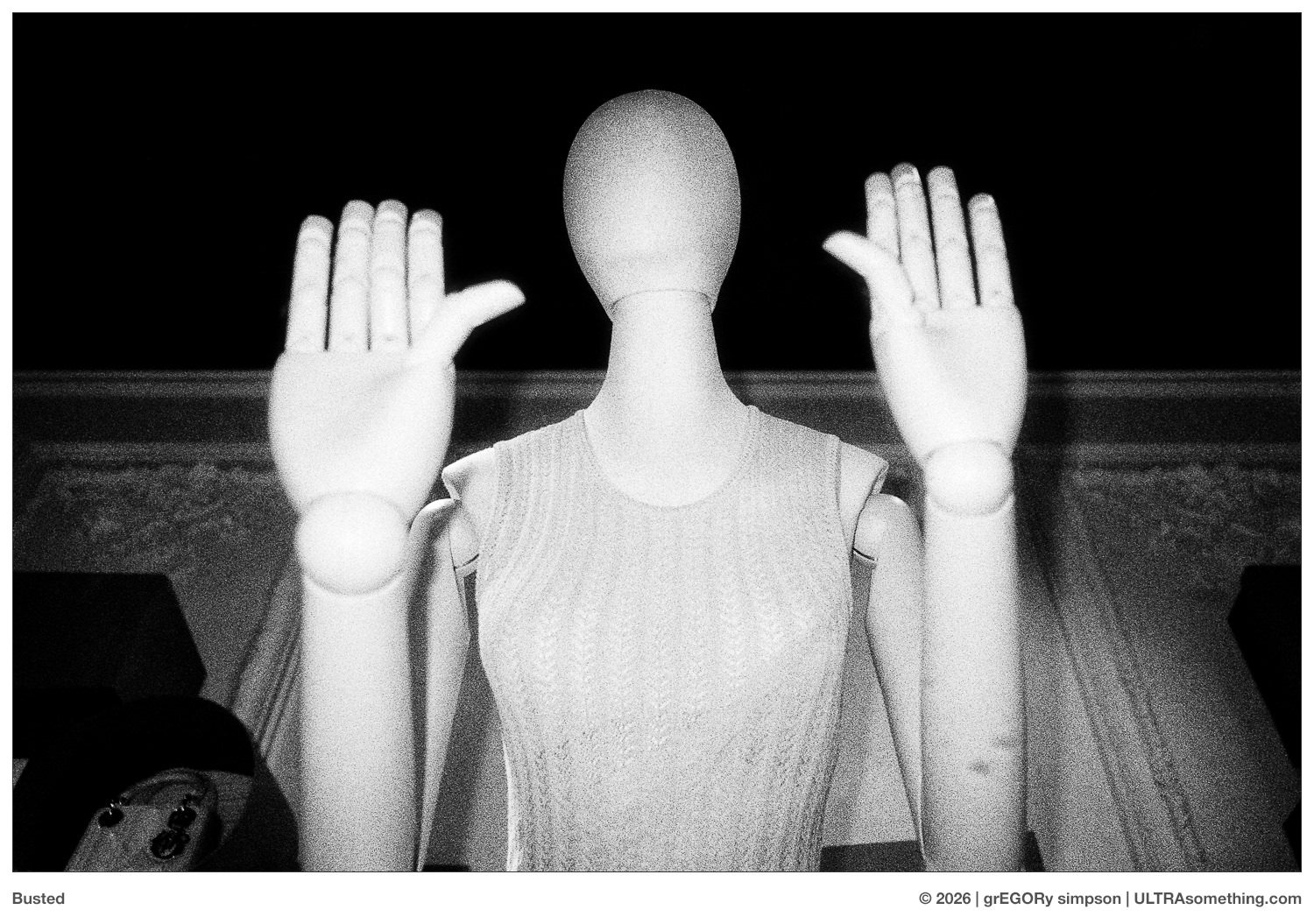
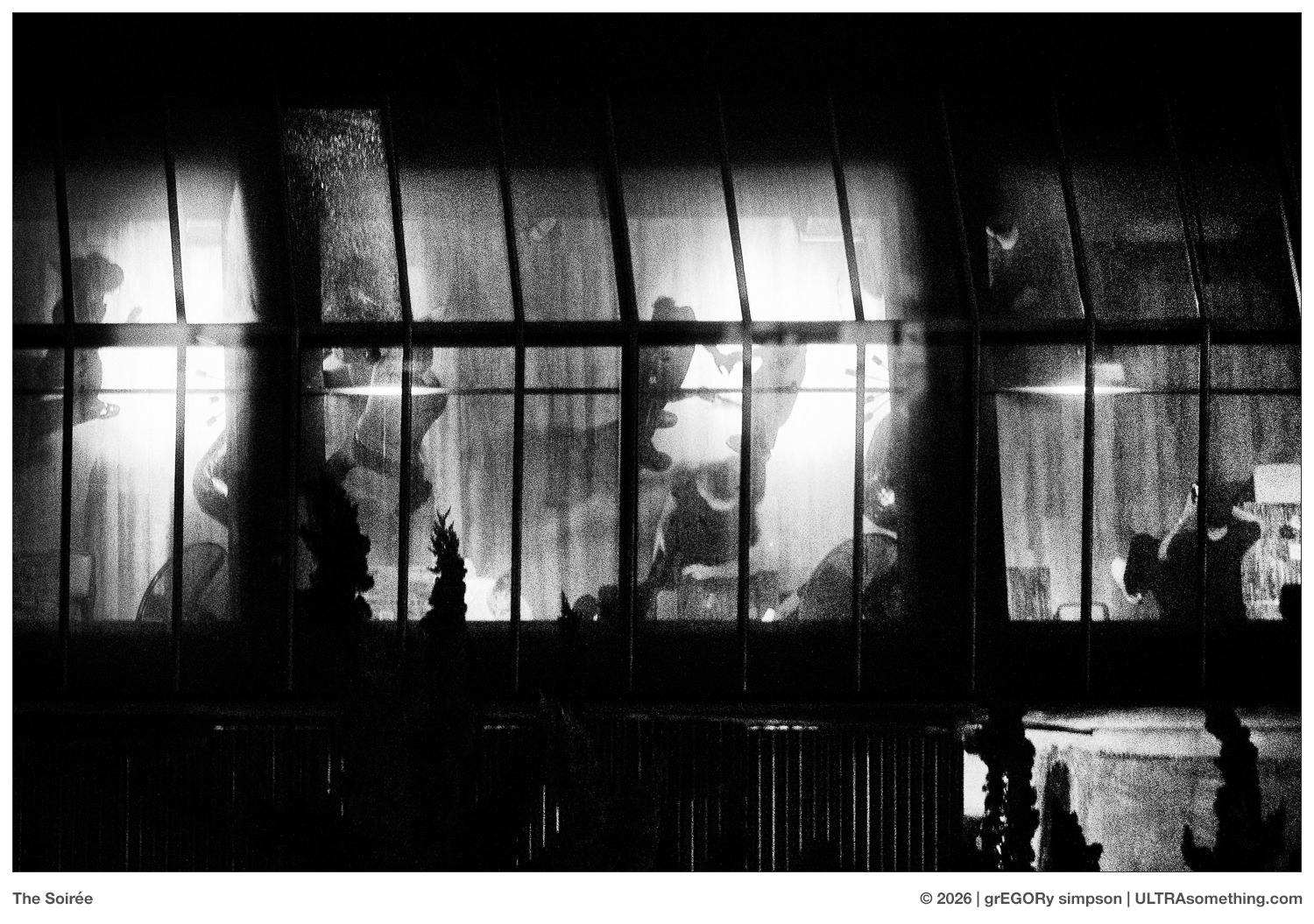
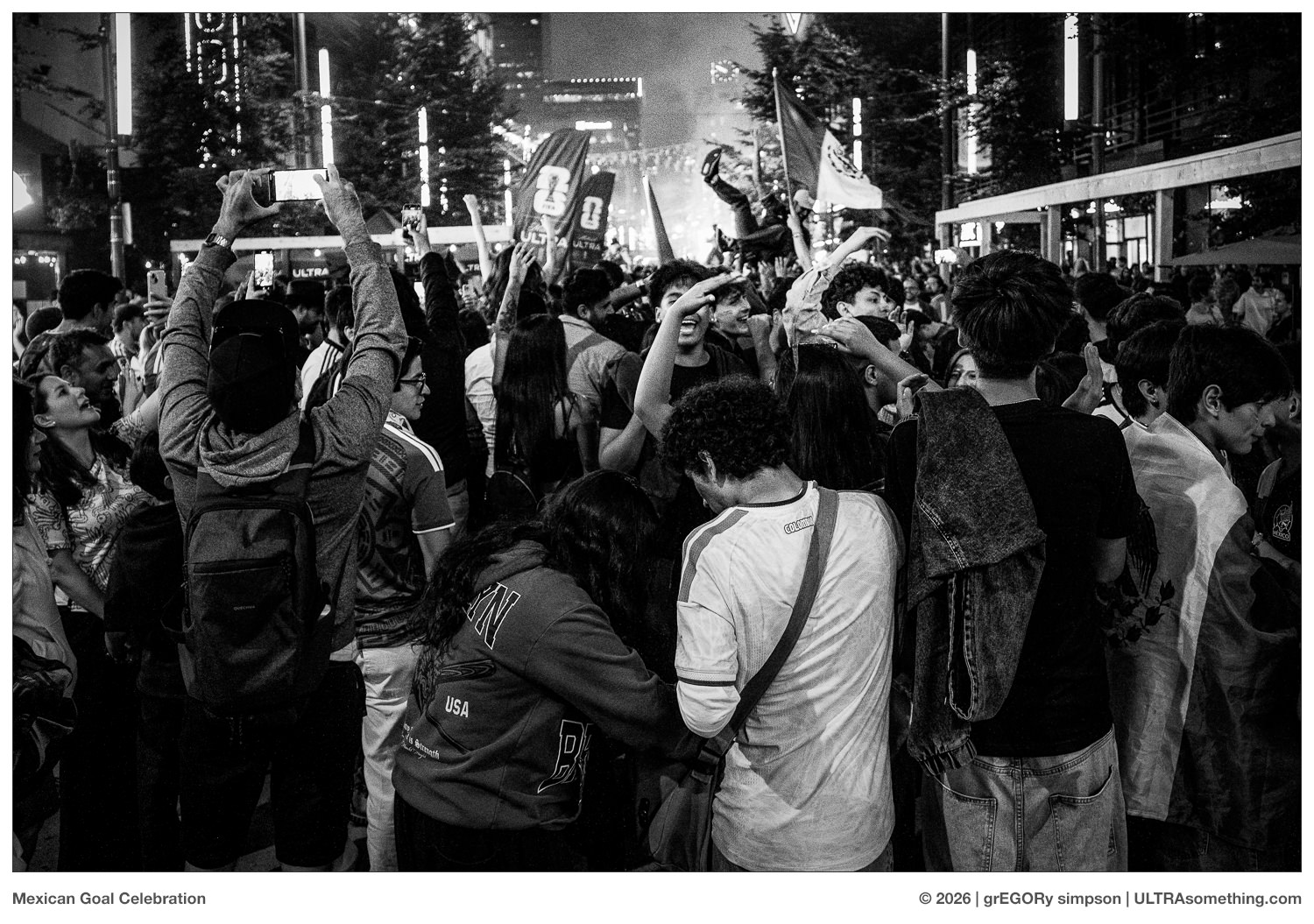
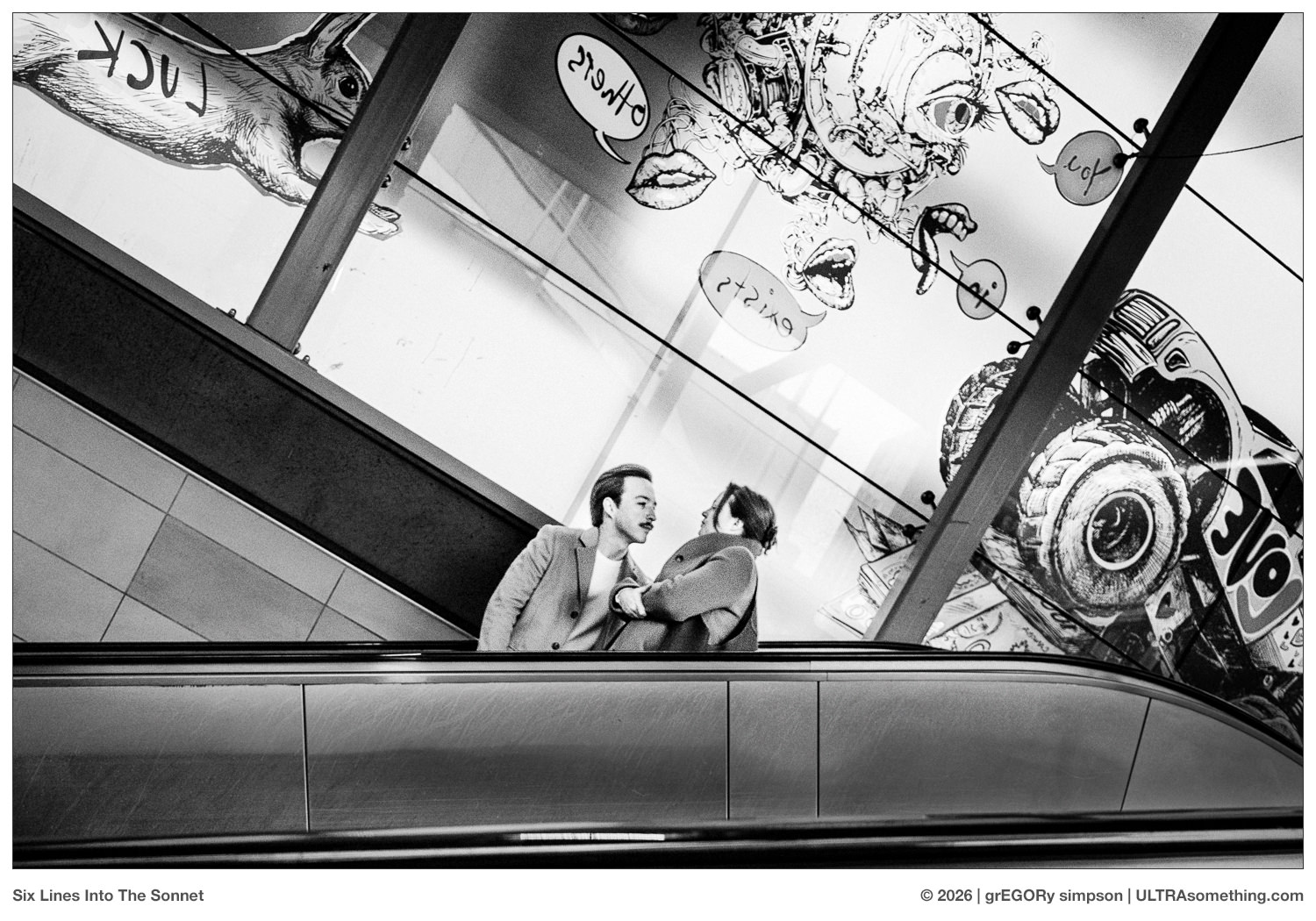
Though capable of gallery worthy landscapes, Vogue quality portraits and client satisfying videography, the Leica SL seems designed to tick all the boxes that I, as a photographer, don’t. Frankly, as someone who wishes to take photos like the ones shown beside this paragraph (or at the top of the article), I certainly don’t need a Leica SL to do it. Heck, my early–1960’s half-frame Olympus Pen EE–2 is probably overkill. But need and want are two different things and, as such, I found myself wanting to manufacture shooting opportunities at which the SL would likely excel. Such are its temptations…
Details
The Leica SL is the centerpiece of an entirely new full-frame 35mm camera system — a “system” that presently contains but a single lens: the Vario-Elmarit-SL 24–90 f/2.8–4 ASPH. Anyone whose photographic interests would be better served by another type of lens will need to go the adapter route — at least until Leica expands their native lens lineup.
Because I believe zoom lenses to be the devil’s work, and because this new Vario lens is so massive that it comes with its own gravitational field, I declined Leica’s offer to borrow it — choosing, instead, to try out the SL using only adapted M-mount lenses.
The only way I can honestly evaluate a piece of equipment is to use it as if it were mine. Since I would never choose to own the 24–90 Vario lens, and since no adapters existed (yet) for any of my other lenses, that meant using the Leica SL as an M-glass body.
As expected, results were mixed.


Most of the wide lenses I tried exhibited quite a bit of smearing at the edges and in the corners (at least at the wider apertures dictated by camera season weather conditions). This is not a problem that’s unique to the SL — it exists any time you mount a rangefinder lens on a camera with a “standard” sensor. Because of their close proximity to the sensor surface, rangefinder lenses require a sensor designed specifically for their use. Rangefinder-specific sensors contain a series of tiny micro lenses that bend the light at the outer edges so that it strikes the sensor surface at a more perpendicular angle, which eliminates the smearing. To date, only Leica’s own M-series cameras and Ricoh’s A12 M-Mount module for the long-discontinued GXR have sensors designed specifically for rangefinder lenses.
In contrast to the wide angles I favor, longer focal lengths exhibited little (if any) edge smearing on the SL — making them a better match for the SL’s sensor. If you want to see actual bona-fide lab tests that illustrate the differences between various M-mount focal lengths on a Leica SL, I suggest subscribing to Sean Reid’s excellent review site.

Another factor to consider in the “M” vs “SL” debate is the viewing/focusing differences between the two camera bodies. The M uses an optical, “window” viewfinder and a rangefinder focusing patch. The SL uses an electronic “through the lens” viewfinder and contrast-detect focus peaking. The method you prefer likely depends on the subjects you shoot. If, like me, you tend to shoot reactively and candidly with wide angle lenses, you’ll probably find the M system more conducive to your shooting style. If, unlike me, you tend to shoot more methodically — such as portraits, scenics, architecture or products — and if you use longer focal lengths, you’ll probably prefer the SL’s viewing/focusing methodology.
So these differences likely explain why some people have proclaimed the SL to be “the death of the M system,” while others (like me) proclaim that the SL does nothing more than illustrate why the M system is so special. The camp in which you pitch your tent depends upon the type of photographer you are. But that’s true of every camera, isn’t it?

An Eye Toward the Future

Here’s the thing: If I were the sort of photographer that rarely shot wider than 50mm, and if I needed to shoot in color, and if owned an assortment of the latest and fastest long lenses, I would seriously consider the possibility of adding a Leica SL to my toolkit.
But that’s three ‘ifs’ I simply don’t possess. For my purposes, the Leica SL is positioned more as a “Swiss Army Camera” — a camera that might one day function admirably at all those photographic disciplines that are secondary to my true nature.
For example, if Leica were to create a flat-field macro system lens, I could use the SL as a negative “scanner.” If they added a few weather-sealed primes, it could become an autofocus “walk around” inclement weather camera. Toss in a few lens adapters for my Pentax, Olympus and Xpan lenses, and the SL becomes the center of an entirely new camera ecosystem — one that’s separate but complimentary to my Leica M system.
But that, too, is a whole lotta ‘ifs’ — all of which must be satisfied before the SL could replace my Olympus OM-D E-M1 micro four-thirds system in that “Swiss Army Camera” roll. That’s not to say that m43 is, in any way, comparable to the SL. Everything about the SL makes m43 look like a toy. But m43 is a “toy” that’s available right now, and at a price I can afford.

Because I’ve examined only one specific use of the Leica SL — as an alternative body for M-mount lenses — this article cannot be considered a “review” of the product. After all, the Leica SL is a fully realized autofocus camera system on which I have yet to mount an autofocus lens. It’s also a fully-spec’d videography machine — another feature that I failed to exercise in my week with the camera. But even though the camera doesn’t negate my need for a Leica M body, that doesn’t mean I wasn’t captivated by its build quality, handling and performance capabilities.
The SL product line will continue to grow. And as it does, I’ll keep a close eye on the progress. Because as the system matures, many of the hypotheticals that currently surround this camera will become reality. And when that happens, the SL’s allure will be much harder for me to ignore.

©2016 grEGORy simpson
ABOUT THE PHOTOS: Obviously, several of these photos look exactly like “my” photos, and not like anything that would ever appear in an SL brochure. That’s because I operate under the assumption that it’s the camera’s job to conform to my requirements, and not the other way around…
Naturally, with the single exception of the final product shot (which utilized my current “Swiss Army Camera” — the Olympus OM-D E-M1), every photo was taken with the Leica SL — albeit with different lenses. Specifically:
“Camera Season 1” and “Camera Season 2” were both photographed with the Leica 135mm f/4 Tele-Elmar — a lens I rarely use on an M-body, but which becomes much less cumbersome on the Leica SL. “Hand to God”, besides being the sort of photo that has earned me a permanent place on the Photographer’s Hall of Fame blacklist, was shot with a Leica 28mm f/2 Summicron. “InstaGeodesic” was shot with a Voigtlander 15mm f/4.5 Super Wide Heliar, while its partner photo, “Scrutiny” was shot with a… hmm… I don’t have a clue actually. I forgot to make note of my lens selections that particular afternoon.
“Between Two Squalls,” which was shot with a Leica 90mm f/2.8 Elmarit-M (1996) and “Missing De Palma”, which used the Leica 28mm f/2 Summicron are both the sort of shots I only ever take when forced to review cameras. “Due North,” shot with the Voigtlander 75mm f/2.5 Color Heliar, also qualifies as one of those “camera review only” shots, although I actually kinda like this one. And, in conclusion, there’s “Artist vs Architect,” which was shot with a Leica 35mm f/2 Summicron (v4).
REMINDER: If you find these photos enjoyable or the articles beneficial, please consider making a DONATION to this site’s continuing evolution. As you’ve likely realized, ULTRAsomething is not an aggregator site — serious time and effort go into developing the original content contained within these virtual walls.