-
The Megapixel Thief (Part 2)
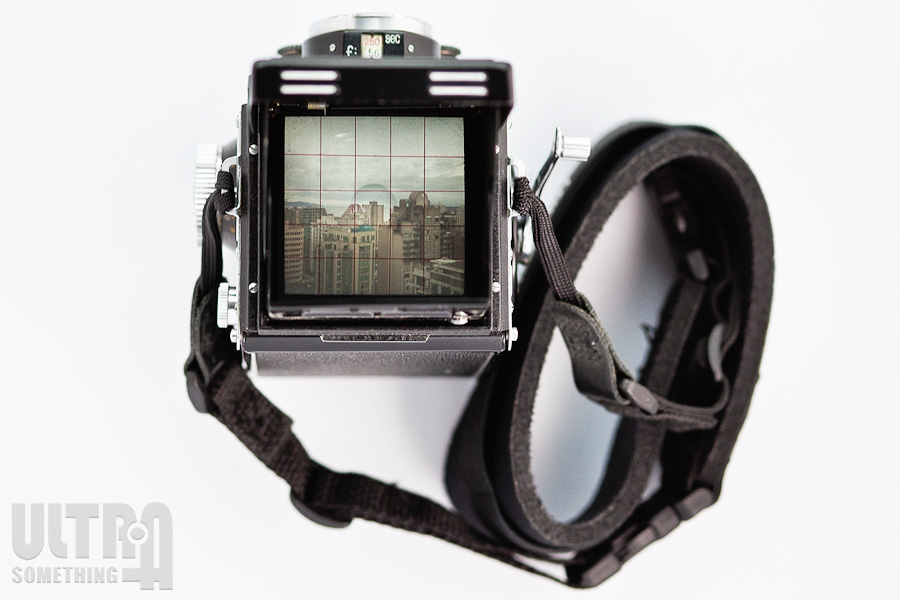
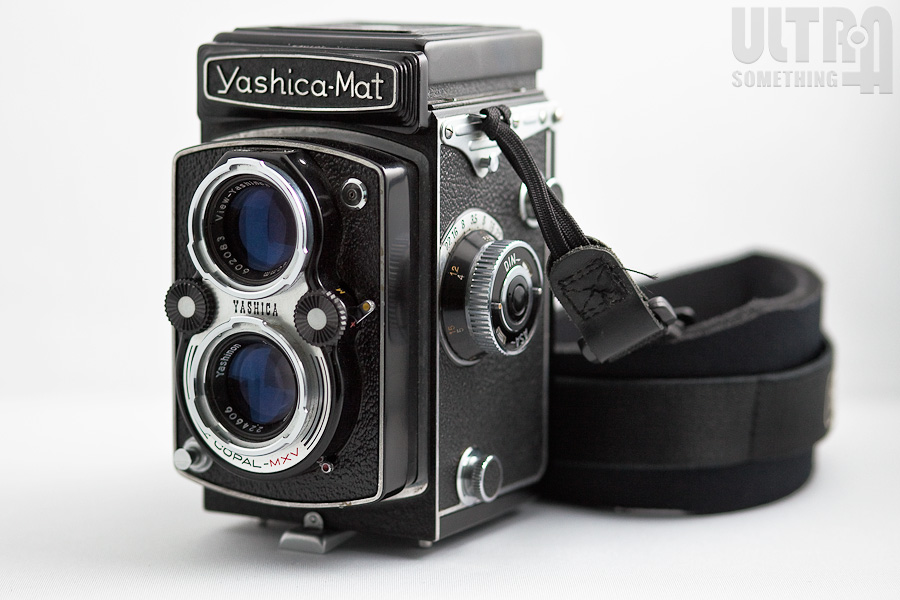
Out there on the mean streets of photography, it’s a digital world. So what possible good can come from shooting with a 50 year old Yashica-Mat Twin Lens Reflex medium format camera? How about 50 megapixel scans, square negatives, and a classic “analog” look? Dive into this article to discover all the techniques, benefits and…
-
The Megapixel Thief (Part 1)
Common wisdom tells us that “the bigger the sensor, the better the image.” Micro Four Thirds (MFT) cameras, though 3 times the price, have a sensor 9 times larger than a point-and-shoot. Great value! The sensor on a full-frame “35 mm” digital camera is 4 times larger than MFT and, coincidentally, costs approximately 4 times…
-

The ‘Match Technical’ Advantage
Last year, the Leica rangefinder replaced the SLR as my ‘go to’ camera for reportage, street, documentary, candid, travel, and just plain ‘fun’ photography. It changed the way I approach these subjects, and made me a better photographer for it. I took to the Leica instantly — coming to grips with its myriad quirks, methodologies,…
-

Alaskan Cruise Photo Gear Guide
Have you ever hunted through a photography forum for answers to such questions as, “What lens should I take on my Alaskan cruise?” or, “Should I bring a tripod on my Alaskan cruise?” If those forums left you with more questions than answers, I suggest you grab a cup of coffee, click on this link,…
-

Geeking Out with a 50 ‘Cron
There are geeks and then there are photo geeks. In the old days, geeks worked in carnivals and were oddly entertaining folks who swallowed swords, hammered spikes into their nostrils, and decapitated chickens and snakes without benefit of a cleaver. The photo geek, by contrast, is not nearly so riveting. In fact, photo geeks are…
-

The M8ing Ritual (Part 3)
In this third and final entry into my “working” review of the Leica M8, I discuss image fidelity. Specifically, I discuss the obvious visual benefits of shooting a camera without an anti-aliasing filter. I take Leica to task for recording 12-bits of data, but downsampling the RAW files to 8-bit. I conclude with a discussion…
-

The M8ing Ritual (Part 2)
In Part Two of my report on the Leica M8, I discuss such things as the camera’s ergonomics, its shutter noise, and whether or not it succeeds in making me “invisible” on the streets. Granted, they’re not the normal topics one discusses when reviewing a camera. But there’s nothing “normal” about the unique requirements of…
-

The M8ing Ritual (Part 1)
With my street photography proclivities showing no sign of waning, this article finds me continuing my quest for the “perfect” camera. Earlier this year, I opted for a hybrid approach — mounting rangefinder lenses on a Panasonic DMC-G1 MFT body. The experience was reasonably successful. In fact, it was so much better than my previous…
-

Like a Leica (Addendum)
A month after publishing my impressions of the Panasonic DMC-G1 and its ability to adapt M-series lenses, I revisited some of the issues in this article. Paramount among them was a manufacturing issue with the original Novoflex M-to-MFT adapter, which caused many of the focussing problems discussed in earlier articles.
-
Like a Leica (Part 5)
My discussion of the Panasonic DMC-G1 was originally a four part review. But the fourth post was so long that some people had trouble downloading it. So, I’ve split Part 4 in half, creating this new “Part 5.” It contains my conclusions about the G1’s “street” shooting abilities and a (scant) few images.
-
Like a Leica (Part 4)
The nitty gritty. The dirt. The details. Everything you want to know about using the Panasonic Micro Four Thirds DMC-G1 as a “street” camera in a single post… well, OK, “two” posts. The article was so long, it got sectioned into a separate Part 5. Dive in. Enjoy.
-
Like a Leica (Part 3)
After rejecting an SLR, a portable “enthusiast” camera, and a rangefinder film camera, I’m left with only one alternative — micro four thirds. In this article, I discuss the allure of the MFT format and my decision to go there.