-
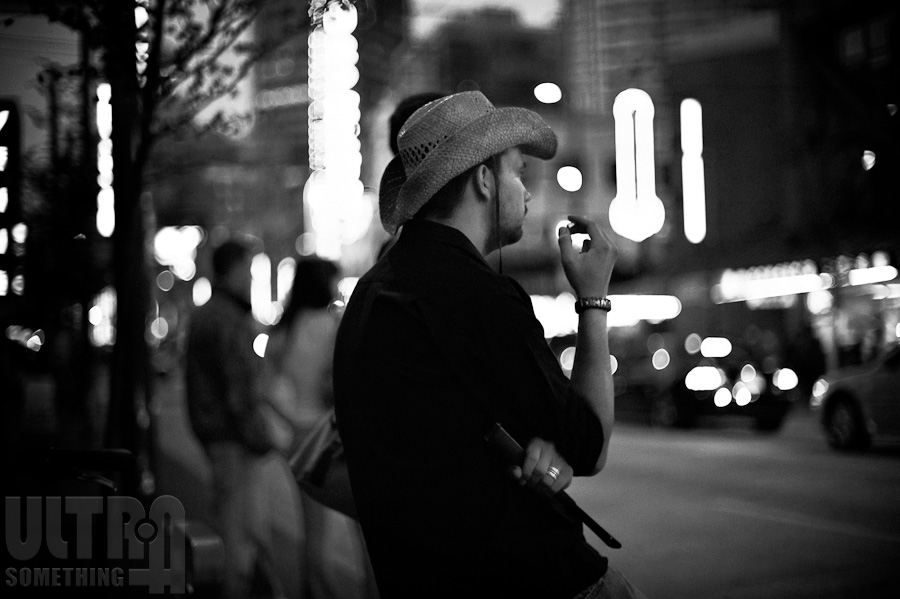
Ruminations on a 50mm f/1.1 Nokton
I’m in love with the night. I enjoy the mysteries that lurk in the darkness, the enigmatic shapes, and the cavernous infinity of a bottomless shadow. In fact, I love the night so much that I want to photograph night itself — and not flood it with artificial daylight. As any photographer knows, the solution…
-

To Whom It May Concern
Camera toters are a curious lot. I frequently witness fashion-conscious point-and-shooters eye each other’s stylish little cameras and ask each other questions like, “how big is that screen?”, “Is it high-def?”, “is that a touch screen?” and, of course, “does it come in blue?” Similarly, I’ve watched the eyes of SLR shooters as they dart…
-

The Eternal Leica M6 TTL (Part 2)
With the bulk of Part 1 spent justifying the use of film cameras in today’s world, Part 2 dishes on all the good, bad, and curious attributes of the Leica M6 TTL and why, maybe, you should consider adding a film camera to your own bag o’ tricks.
-

The Eternal Leica M6 TTL (Part 1)
To take a photo with the Leica M6 TTL is to take a trip 50 years into the historical glory days of photography — when men were men, women were women, and both could actually take photographs without aid of a computer. This, the first of a two-part article, discusses the relevancy of a fully…
-

Little Shop of Hurrahs
Photoshop CS5 has been on the market for only one month, but if you search Google for the phrase “Photoshop CS5 Review,” you’ll get 400,000 hits. Needless to say, I don’t see any compelling reason to add to that total. Instead, this article focuses on a single tiny feature amongst the plethora of Photoshop CS5…
-

The Contextual Lens
Every year, a new generation of neophyte photographers become victims of nomenclature — mistakenly assuming that wide angle lenses are an ideal choice for photographing wide, scenic vistas. As an obsessive neologist, I examine how wide angle lenses are actually used, and wrestle with what designers should have named them.
-
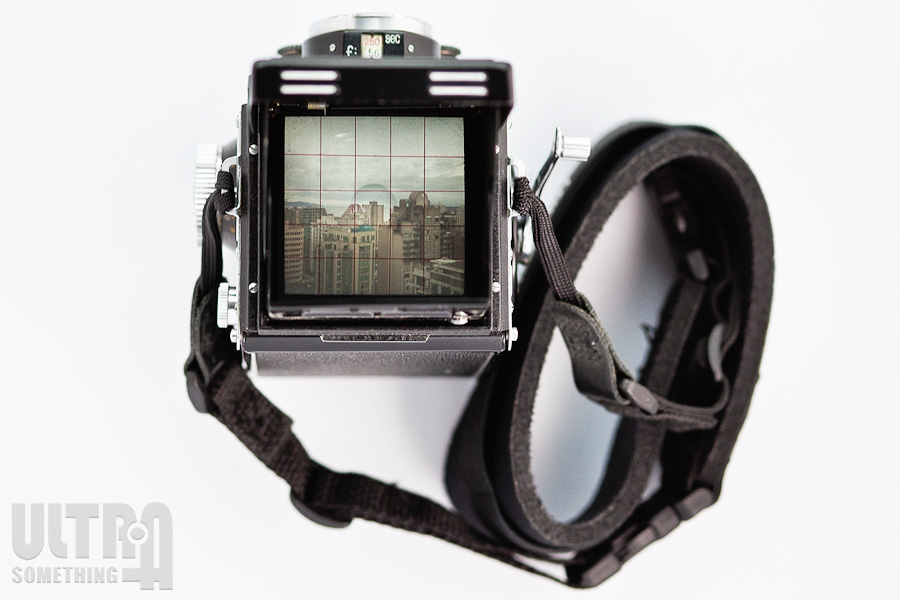
The Megapixel Thief (Part 2)
Out there on the mean streets of photography, it’s a digital world. So what possible good can come from shooting with a 50 year old Yashica-Mat Twin Lens Reflex medium format camera? How about 50 megapixel scans, square negatives, and a classic “analog” look? Dive into this article to discover all the techniques, benefits and…
-
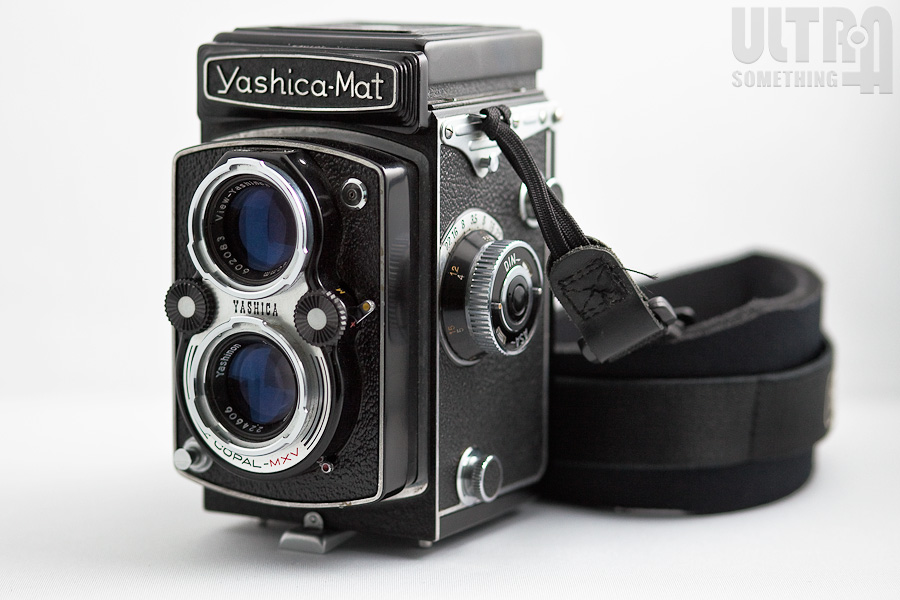
The Megapixel Thief (Part 1)
Common wisdom tells us that “the bigger the sensor, the better the image.” Micro Four Thirds (MFT) cameras, though 3 times the price, have a sensor 9 times larger than a point-and-shoot. Great value! The sensor on a full-frame “35 mm” digital camera is 4 times larger than MFT and, coincidentally, costs approximately 4 times…
-

The ‘Match Technical’ Advantage
Last year, the Leica rangefinder replaced the SLR as my ‘go to’ camera for reportage, street, documentary, candid, travel, and just plain ‘fun’ photography. It changed the way I approach these subjects, and made me a better photographer for it. I took to the Leica instantly — coming to grips with its myriad quirks, methodologies,…
-

Alaskan Cruise Photo Gear Guide
Have you ever hunted through a photography forum for answers to such questions as, “What lens should I take on my Alaskan cruise?” or, “Should I bring a tripod on my Alaskan cruise?” If those forums left you with more questions than answers, I suggest you grab a cup of coffee, click on this link,…
-

Geeking Out with a 50 ‘Cron
There are geeks and then there are photo geeks. In the old days, geeks worked in carnivals and were oddly entertaining folks who swallowed swords, hammered spikes into their nostrils, and decapitated chickens and snakes without benefit of a cleaver. The photo geek, by contrast, is not nearly so riveting. In fact, photo geeks are…
-

The M8ing Ritual (Part 3)
In this third and final entry into my “working” review of the Leica M8, I discuss image fidelity. Specifically, I discuss the obvious visual benefits of shooting a camera without an anti-aliasing filter. I take Leica to task for recording 12-bits of data, but downsampling the RAW files to 8-bit. I conclude with a discussion…
