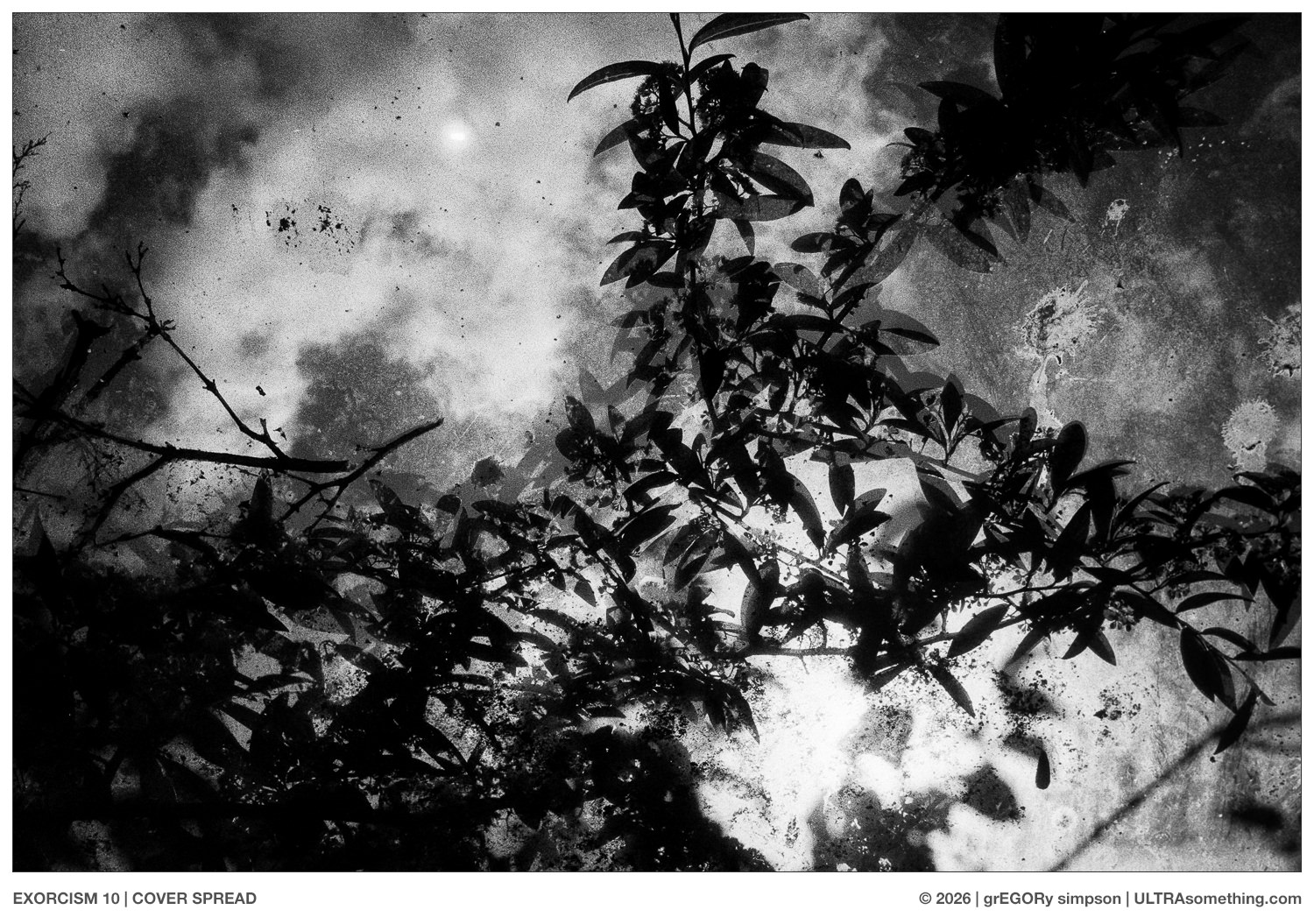
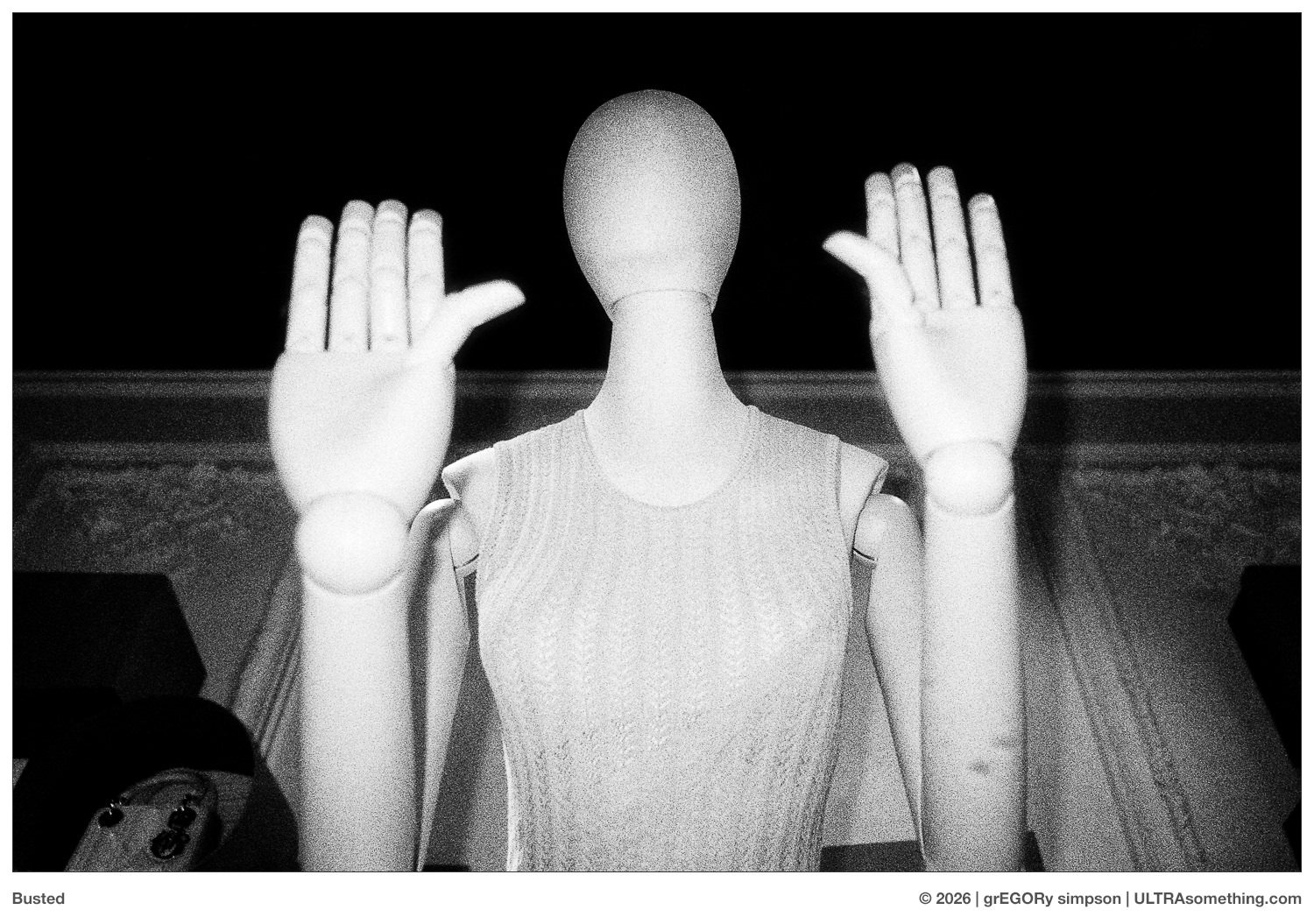
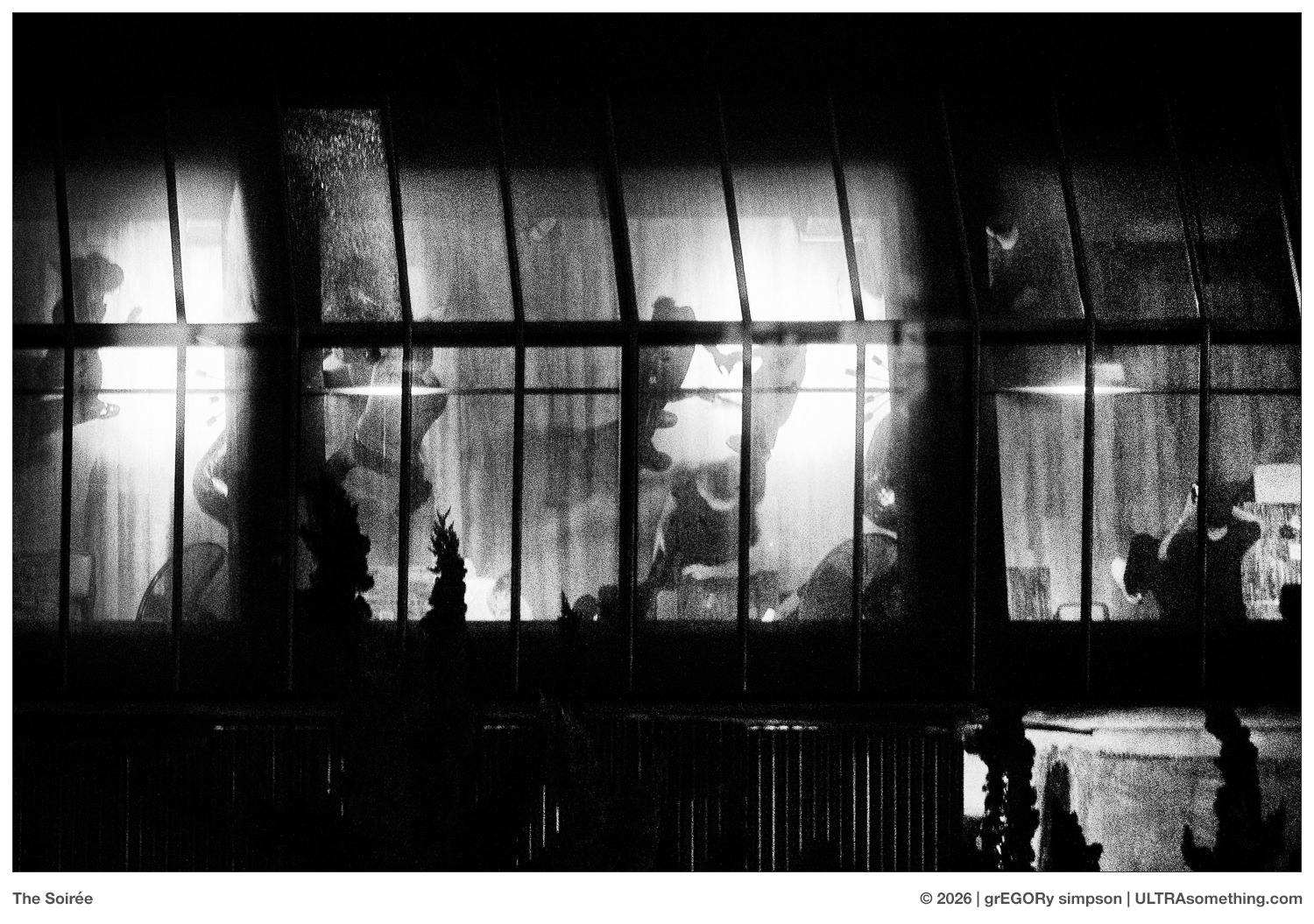
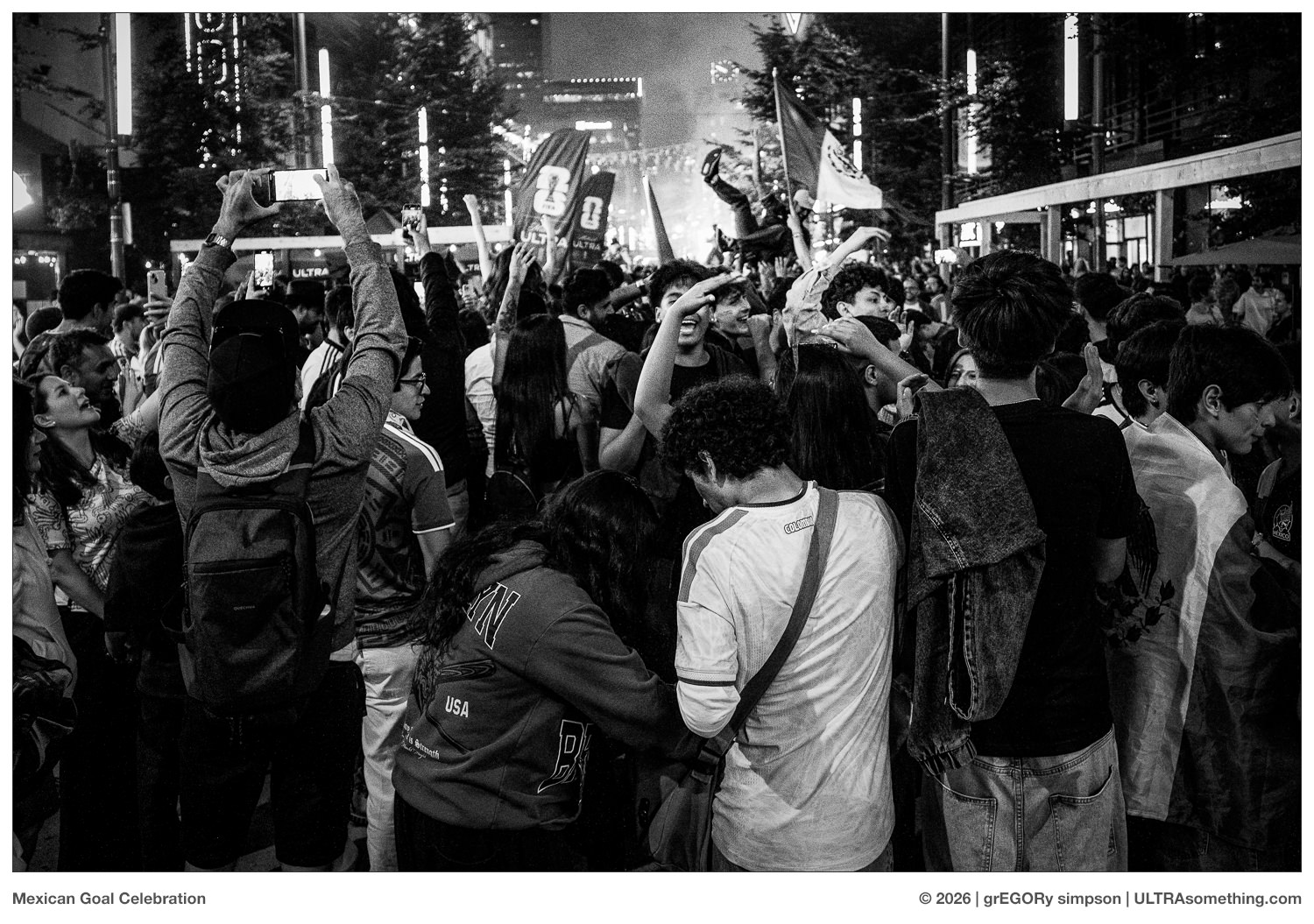
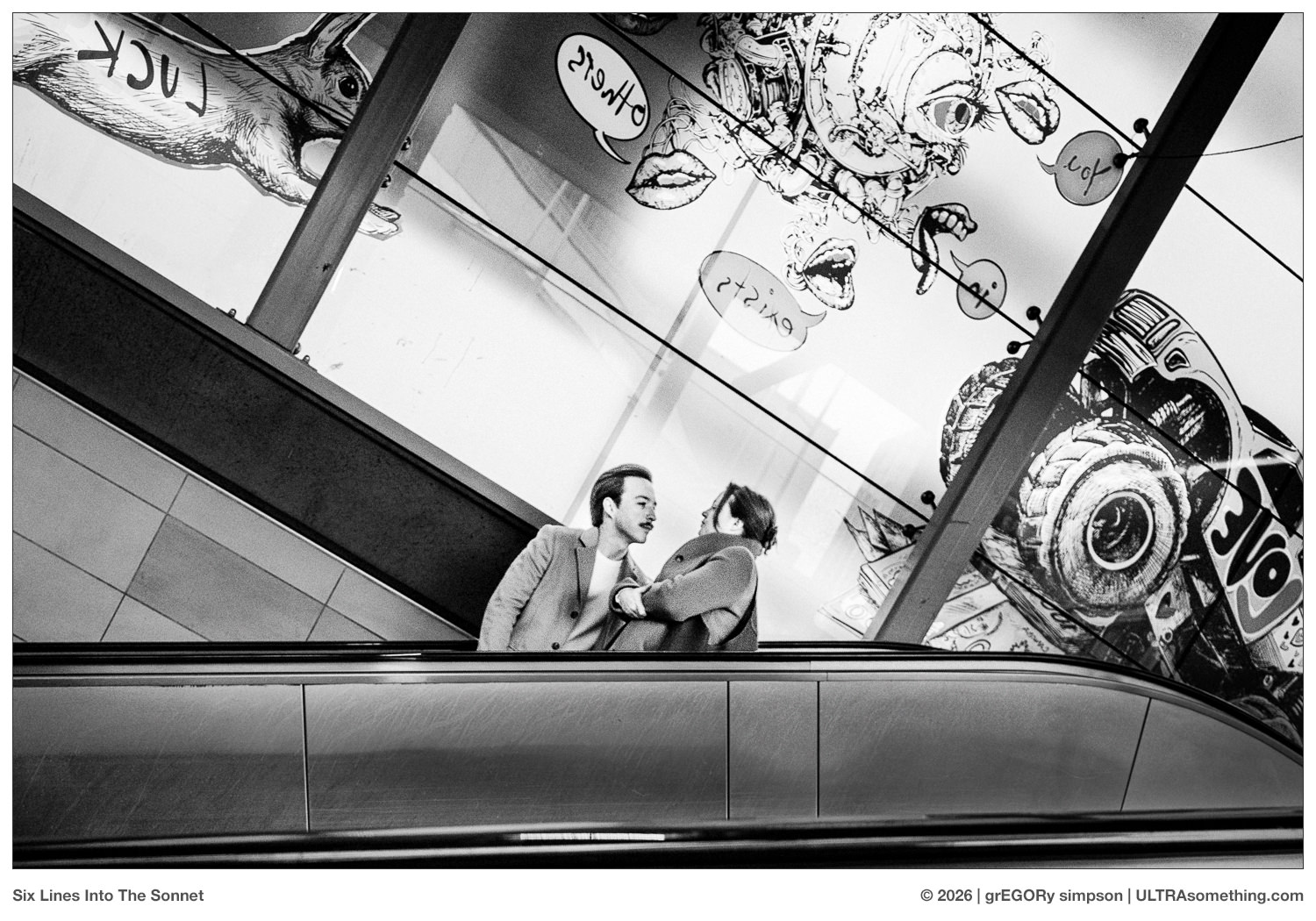
For many, photography is the act of creating a 2-dimensional facsimile of a physical subject. Whatever one’s goal — whether it’s to establish a record of the subject; to improve upon the subject; or to render the subject in abstract — it’s usually the subject itself that motivates the photograph.
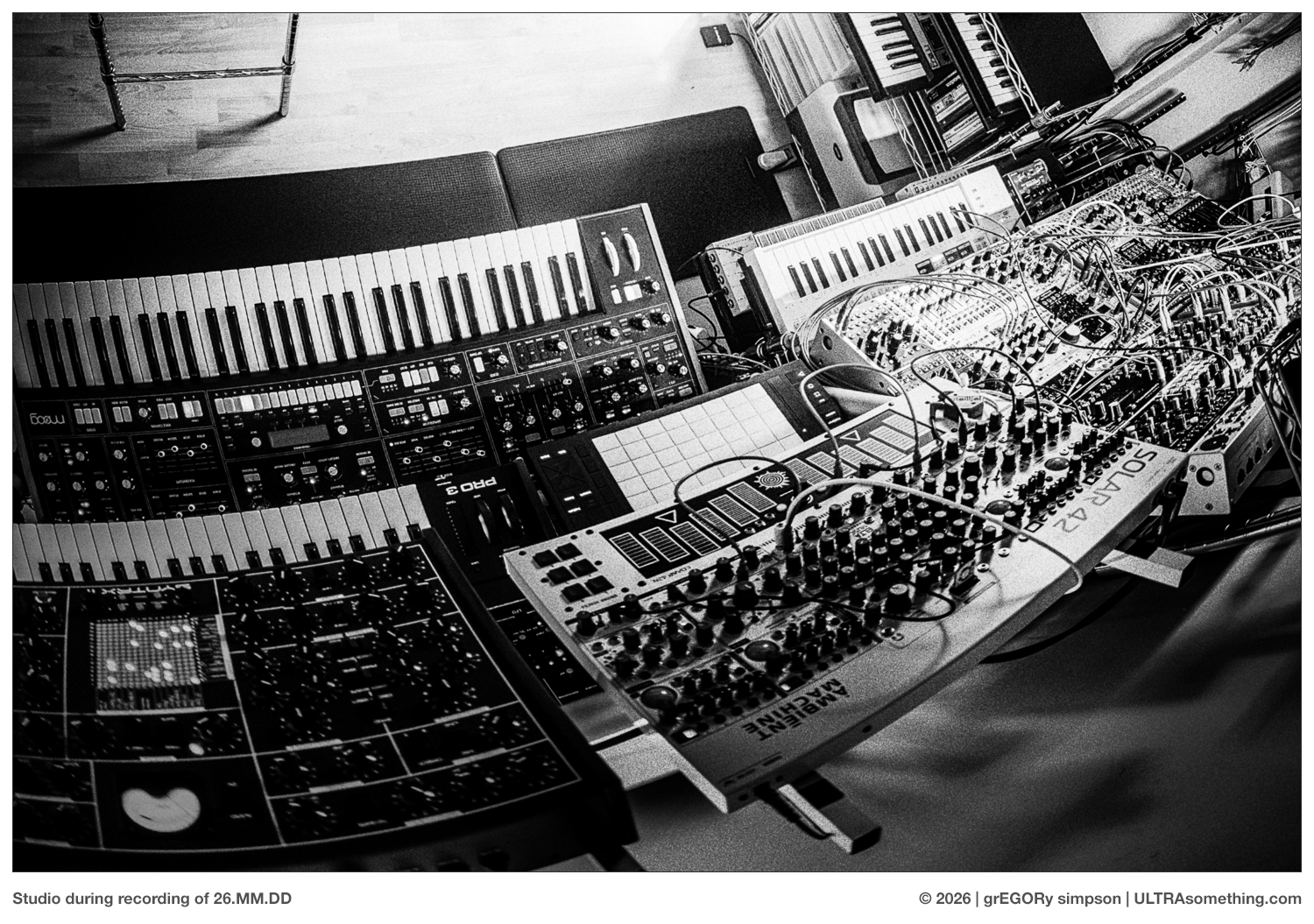
For me, photography is the act of creating a 2-dimensional facsimile of a musical strain. My mind generates a perpetual flow of unwritten and unrecorded melody, timbre and rhythm — musical thoughts from a magical radio deep inside. Though existing solely within, these thoughts create a river of churning moods, and the photos I take (and the way I choose to take them) are more a reflection of this imagined musical atmosphere than of the actual subject matter.
Curiously, when I sit down to compose music, the opposite occurs — I create an imagined photo or scene, then compose music to express the mood generated by my internal vision. It’s why, from an early age, my aspirations were never for rock stardom, but for film composition. I was, after all, already composing against a visual backdrop — albeit one that only I had seen.
This unorthodox approach likely derives from my belief that songs and photographs are best when they’re born from emotion. Perhaps, when I photograph to an imagined soundtrack or compose to an imagined scenario, I’m making a subconscious effort to abstract that emotion — to isolate myself from any direct contact with real emotions and their potentially detrimental effect.
Or maybe, as always, I’m just thinking about it all too much…

But thinking about such things is what I do. And writing about any subsequent revelations is my primary motivation for maintaining the ULTRAsomething site. What can I say — exploring the existential and fighting through the nihilism is my idea of a good time.
One advantage to my intermingling of sight and sound is the way they suggest solutions to one another. Should a crises of faith occur in my photography, it’s likely I’ve battled, overcome, and can thus learn from a similar situation in my music. If I take a wrong turn musically, then I’ll turn the other direction when faced with its photographic parallel. One endeavour informs the other — back and forth; give and take.
Which explains exactly why watching an interview with electronic music composer and sound designer, Alessandro Cortini, led to a recent photographic revelation.
Though I’m well aware of my tendency to approach photography as a figurative outlet, this fact alone doesn’t explain why I often have so little interest in a photo’s fidelity. There’s nothing necessarily counter-emotional about fidelity. And yet slowly, month-by-month, year-by-year, I grow increasingly disinterested in photography’s ability to describe a subject with any real level of accuracy.
The Cortini epiphany came while watching him interviewed by Sonicstate’s Nick Batt during the 2015 NAMM show. In that video interview, Nick asks Alessandro Cortini about the minimalist qualities of his latest album, Sonno.
Nick: “One thing I found by listening to (your Sonno) record is that it forces you to listen in a very different way, because you listen to much more of the subtlety.”
Alessandro: “It’s fairly repetitive, which some people will consider good and some other’s bad. But I feel like, when you hone into a specific sequence of notes, then other things come into play — the way that you hear them. And then you pay more attention to the frequency range or to the EQ’ing, or to the amount of reverb and delay. Because melody’s been sort of taken care of, you’re not waiting for it to change. And also, I’m not normal. So that’s probably why I like that.”
Upon hearing this, I slapped my palm to my forehead in a spontaneously cliched act of realization. Cortini, though talking about music and melody, had encapsulated everything I’d been thinking about photography and subject, but hadn’t yet articulated.
By removing the requirement that a photo’s subject must somehow inform, it allows other visual elements to step forward to fill the void. Without a doctrine that it must clinically define the subject, a photo becomes more about geometry, tone and texture. If a photograph lacks an obvious path to its purpose, then it challenges viewers to step off the tour bus and become active explorers — finding and forging a less obvious path through the photo.
The problem, of course, is that many viewers won’t accept this level of responsibility. So photographers need to consider if alienating a large portion of their potential audience is a sensible risk. In my case, the answer — clear and resonating — is “Yes!” I don’t believe I have anything unique or personal to add to the collective oeuvre of several million traditional photographers. Sure, the demand for traditional photography is far greater — but so too is the supply. I’d rather stay true to my own urges, experiment with my appropriation of the Cortini Principle and find my own (albeit small) audience of explorers. Who knows? Maybe I’ll even write a song about it.

©2015 grEGORy simpson
ABOUT THESE PHOTOS: “Conqueror Worm” was shot with the Fuji X100T, which I had borrowed from Fuji for the purpose of writing a review. In truth, this was my favorite photo taken with this camera, but I decided to leave it out of the Fuji review article. Rightly or wrongly, the photo just seemed totally at odds with the dictates of a typical review article — even review articles as atypical as mine. “Incarcerated” was shot with what must surely be my “Cortini Cam” — the half-frame Olympus Pen FT. On it was an Olympus 42mm f/1.2 lens and in it was BRF400+ film, which I exposed at ISO 400 and developed in HC-110 (Dilution B). “Counterpoint” was the first photo I took with my Leica M9 and 28mm f/2 Summicron lens after returning the X100T to Fuji. It felt good to have a rangefinder back in my hand, so I can once again subject my readers to odd little tableaux like this one.
By the way, should anyone actually click the sonicstate.com link to the Cortini interview, the quoted passage occurs at about the 9:00 mark. Those of you who (like me) actually enjoy geeky synth talk are free to watch the whole thing.
If you find these photos enjoyable or the articles beneficial, please consider making a DONATION to this site’s continuing evolution. As you’ve likely realized, ULTRAsomething is not an aggregator site — serious time and effort go into developing the original content contained within these virtual walls.